Modern Website Design For Businesses
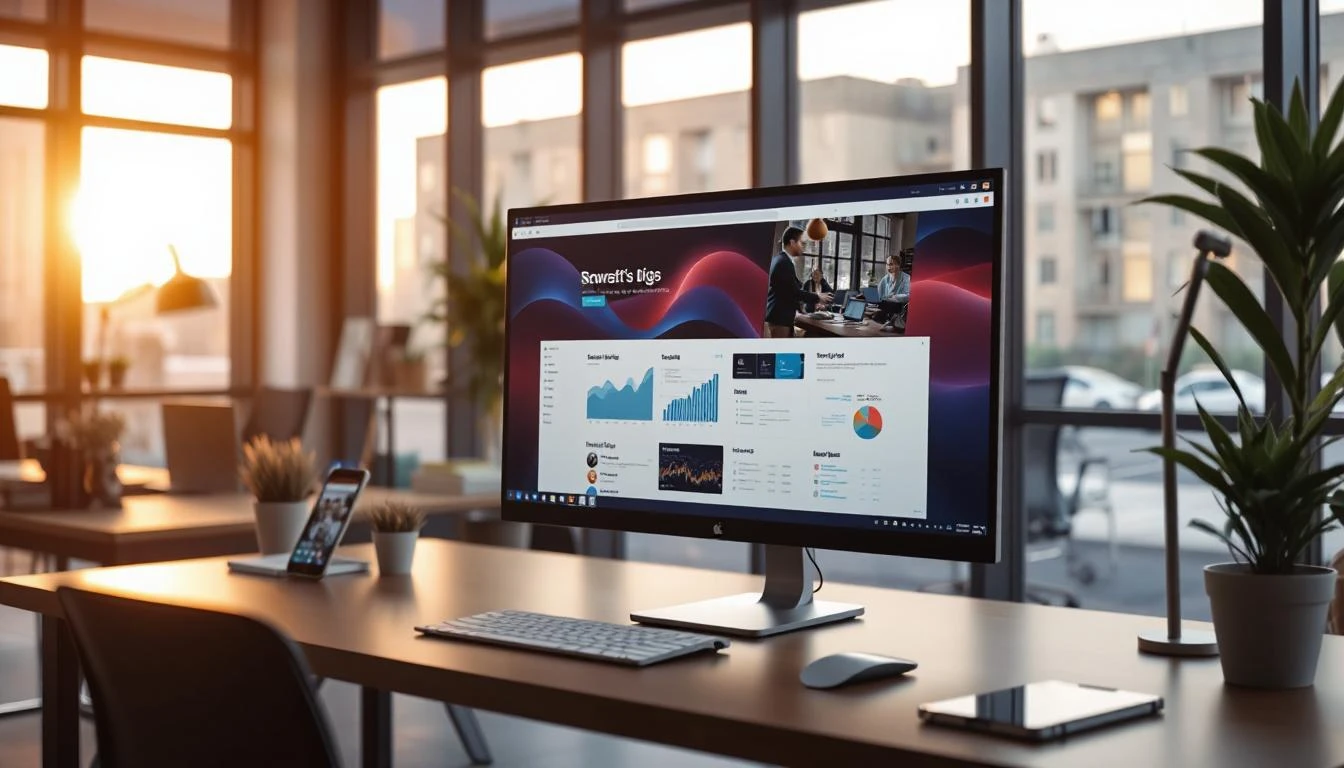
Modern businesses are no longer competing only through products or pricing. The first battle now happens on the screen, often within seconds after someone lands on a website. Visitors instantly notice whether a layout feels modern, whether the navigation is smooth, and whether the brand looks trustworthy enough to explore further. A clean digital presence can quietly build confidence before a single conversation even begins, while an outdated design can push potential customers away faster than most business owners realize.
Today, modern website design businesses strategies have become one of the strongest foundations for online visibility, customer engagement, and long-term growth. Search engines now prioritize websites that are responsive, fast, informative, and easy to navigate, while users expect immersive experiences that feel intuitive across every device. As Steve Jobs once said, “Design is not just what it looks like and feels like. Design is how it works,” and that statement perfectly reflects why modern web design now influences both SEO performance and customer trust at the same time.
Importance of Modern Website Design
A business website is no longer just a digital brochure. It has evolved into the center of branding, customer interaction, lead generation, and online marketing. The way a website is designed can shape how people perceive a company within moments, making visual presentation and usability incredibly important in today’s competitive digital landscape.
Many businesses are now exploring business website design ideas that combine visual appeal with functionality because users expect websites to feel fast, organized, and engaging. Modern audiences want instant access to information without confusion, and businesses that understand this behavior are seeing stronger engagement, better retention, and higher conversion opportunities.
Creating strong first impressions
First impressions happen almost instantly online. Visitors naturally judge a business based on design quality, layout structure, typography, spacing, and overall presentation. A modern website with balanced visuals and organized content immediately creates a sense of professionalism that encourages people to keep exploring.
Minimalist layouts, immersive visuals, and responsive design elements are becoming essential because users associate polished websites with reliable businesses. Even subtle details such as button placement, page spacing, and image quality can influence how trustworthy a brand appears. That is why companies investing in modern digital experiences often outperform competitors with outdated websites.
Building trust through professional layouts
Trust is one of the most valuable currencies in digital business. A professional layout helps visitors feel secure because information is easier to understand and navigation feels more predictable. Features like HTTPS security, organized service pages, visible contact details, and clear branding all contribute to stronger customer confidence.
Modern websites also benefit SEO because search engines evaluate user experience signals such as time spent on site, bounce rates, and mobile usability. When visitors enjoy browsing a website, search engines recognize that positive behavior and often reward the site with stronger visibility. According to web usability expert Jakob Nielsen, “Users spend most of their time on other websites,” which is why familiarity and simplicity in design can dramatically improve user trust and engagement.
Improving user engagement and experience
User experience now plays a massive role in business success. Visitors expect websites to load quickly, adapt smoothly on mobile devices, and guide them naturally toward the information they need. If a page feels confusing or slow, most users simply leave and look elsewhere.
Modern businesses are improving engagement by using cleaner interfaces, interactive design elements, and structured content that feels easier to read. Features such as sticky navigation menus, visually separated sections, and optimized mobile layouts help users stay focused without feeling overwhelmed. When users enjoy the browsing experience, they are more likely to explore multiple pages, interact with the brand, and eventually convert into customers.
Essential Features of Business Websites
A modern business website must do more than simply look attractive. It should function as a high-performing digital platform that supports SEO, improves accessibility, and creates seamless customer experiences. Businesses that ignore these essential features often struggle to maintain online visibility in increasingly competitive markets.
The most effective websites are built around user behavior rather than visual trends alone. Businesses using smart business website design ideas are now combining performance optimization, responsive frameworks, and customer-focused navigation systems to create websites that work efficiently across all devices and platforms.
Mobile responsive website structure
Mobile traffic continues to dominate internet usage globally, making responsive design one of the most important aspects of website development. A responsive website automatically adjusts layouts, images, and content to fit smartphones, tablets, and desktops without sacrificing usability.
Businesses with mobile-friendly websites often experience lower bounce rates and better SEO performance because search engines prioritize mobile usability. Visitors also expect smooth scrolling, readable text, and fast-loading pages when browsing on smaller screens. If a website feels frustrating on mobile devices, users rarely return.
Fast loading page performance
Speed has become a critical ranking factor and an equally important part of customer experience. Slow websites create frustration and significantly reduce engagement, especially when users expect information instantly.
Modern websites improve loading speed through compressed images, optimized code structures, lightweight frameworks, and efficient hosting systems. These technical improvements not only help SEO rankings but also create smoother interactions that encourage visitors to stay longer on the site. Fast-loading pages also support higher conversion rates because users are more likely to complete actions when the browsing experience feels effortless. Even a delay of a few seconds can affect customer trust and reduce overall engagement.
Clear navigation and user interface
Navigation should feel intuitive from the very first interaction. Visitors do not want to search endlessly for menus, contact information, or service details. A clear user interface creates a natural flow that guides users toward important sections without confusion.
Modern websites use structured menus, organized content hierarchies, and strategically placed call-to-action buttons to improve usability. Businesses that simplify navigation often see stronger customer retention because visitors can quickly find the information they need without unnecessary distractions.
Design Strategies for Business Growth
Modern website design is deeply connected to business growth because every visual and structural decision influences customer behavior. Successful brands are now treating websites as strategic marketing assets instead of static online pages.
Businesses that combine SEO optimization, branding consistency, and conversion-focused design strategies are creating stronger digital ecosystems that support long-term visibility and customer loyalty.
Conversion focused landing pages
Landing pages are designed with one clear objective: encouraging visitors to take action. Whether the goal is generating leads, increasing sales, or collecting inquiries, effective landing pages eliminate distractions and focus attention on a specific offer or message.
Modern landing pages often use persuasive headlines, trust signals, testimonials, and strategically placed buttons to guide users naturally toward conversion. Simplicity is important because too many design elements can overwhelm visitors and reduce engagement.
Brand consistency in website design
Consistency helps businesses become memorable. When colors, typography, imagery, and messaging remain aligned across every page, visitors develop stronger recognition and trust toward the brand.
A cohesive design identity also creates a more professional appearance that strengthens credibility. Businesses that maintain consistent branding across websites, social media, and marketing campaigns often build deeper emotional connections with audiences because the experience feels familiar and reliable.
Integrating customer communication tools
Modern customers expect immediate communication. Businesses are now integrating live chat systems, messaging tools, booking forms, and AI-powered support features directly into websites to improve responsiveness and customer satisfaction.
These communication tools help businesses answer questions faster while reducing friction during the customer journey. Quick access to support can significantly improve trust because visitors feel the business is accessible and attentive to their needs.
Upgrade Your Business With Modern Website Design Today
The digital world continues to evolve rapidly, and businesses that fail to adapt often struggle to maintain relevance. Customers now expect websites that feel modern, fast, interactive, and trustworthy from the very first visit. That expectation is shaping how brands compete online, especially as search engines continue prioritizing user experience and technical performance.
A modern website is no longer just about aesthetics. It is about creating a digital environment that guides visitors naturally, answers their questions quickly, and encourages meaningful interaction with the brand. Businesses that invest in stronger user experiences today are positioning themselves for better visibility, stronger customer relationships, and long-term growth in an increasingly competitive online landscape.